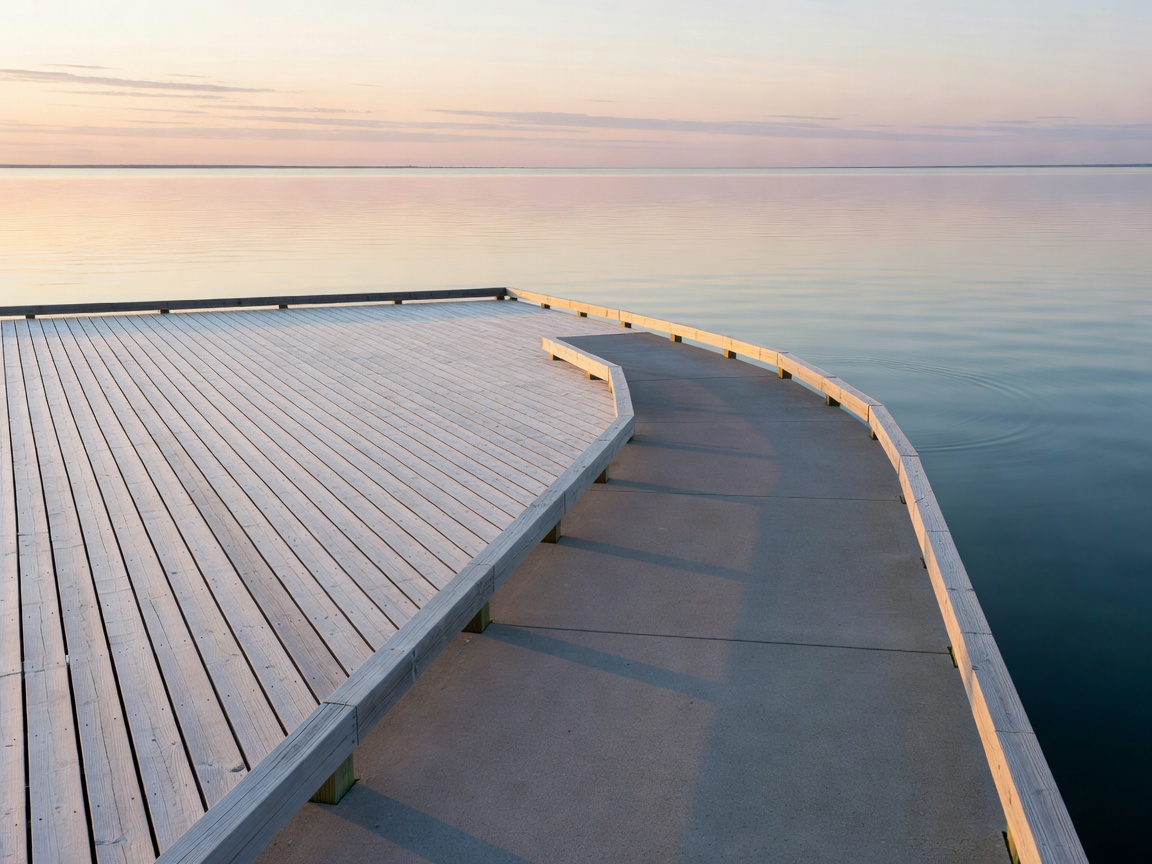
Cleaning starts with the surface
Docks collect dirt, leaf matter, marine deposits and residue from repeated use. Algae awareness matters where moisture remains and pedestrian movement is frequent. The first task is to identify the surface, contamination type, drainage pattern and access limits.
Freshwater and saltwater settings create different maintenance conditions. Salt deposits may remain around fittings and edges. Freshwater sites may hold organic debris in sheltered corners. Neither setting supports one universal schedule. Exposure, traffic and local weather should guide the plan.
Frequency follows use
High-use access points usually need more frequent observation than low-use areas. Boarding points, gates, ramps and turning spaces deserve clear records. Low-use edges still require seasonal checks because deposits can build without obvious daily traffic.
A useful schedule identifies the area, preferred window, responsible contact, surface type and required handover note. The schedule should also account for weather, public access, tide or water-level movement and nearby equipment.
Method selection and compatibility
Equipment selection should be based on the material and the contamination. A method suitable for robust hardscape may not suit coated metal, timber, composite decking or sensitive fittings. Avoid assumptions about pressure, detergent or recovery arrangements without verified site context.
Cleaning around electrical equipment, unstable structures, water edges or specialist hardware requires site procedures and appropriately qualified personnel. Hazardous chemical handling is outside general web guidance.
Advantages and limitations
Routine cleaning improves presentation, supports easier visual observation and keeps access areas under planned control. It can help distinguish ordinary residue from a change that needs referral. It does not prove structural condition, eliminate every slip risk or replace engineering, electrical or regulatory assessment.
Planning checklist
- Record surface material and contamination type.
- Separate high-use routes from low-use edges.
- Confirm access, weather and water-level constraints.
- Use compatible methods and follow site procedures.
- Record areas needing specialist assessment.
What to monitor
Monitor recurring algae or deposits, drainage performance, loose or damaged surface elements, staining that changes, fittings affected by residue and areas where pedestrians alter the cleaning cycle. Specialist assessment may be appropriate when damage, instability, electrical concerns or unclear material condition is present.