Different materials, different observations
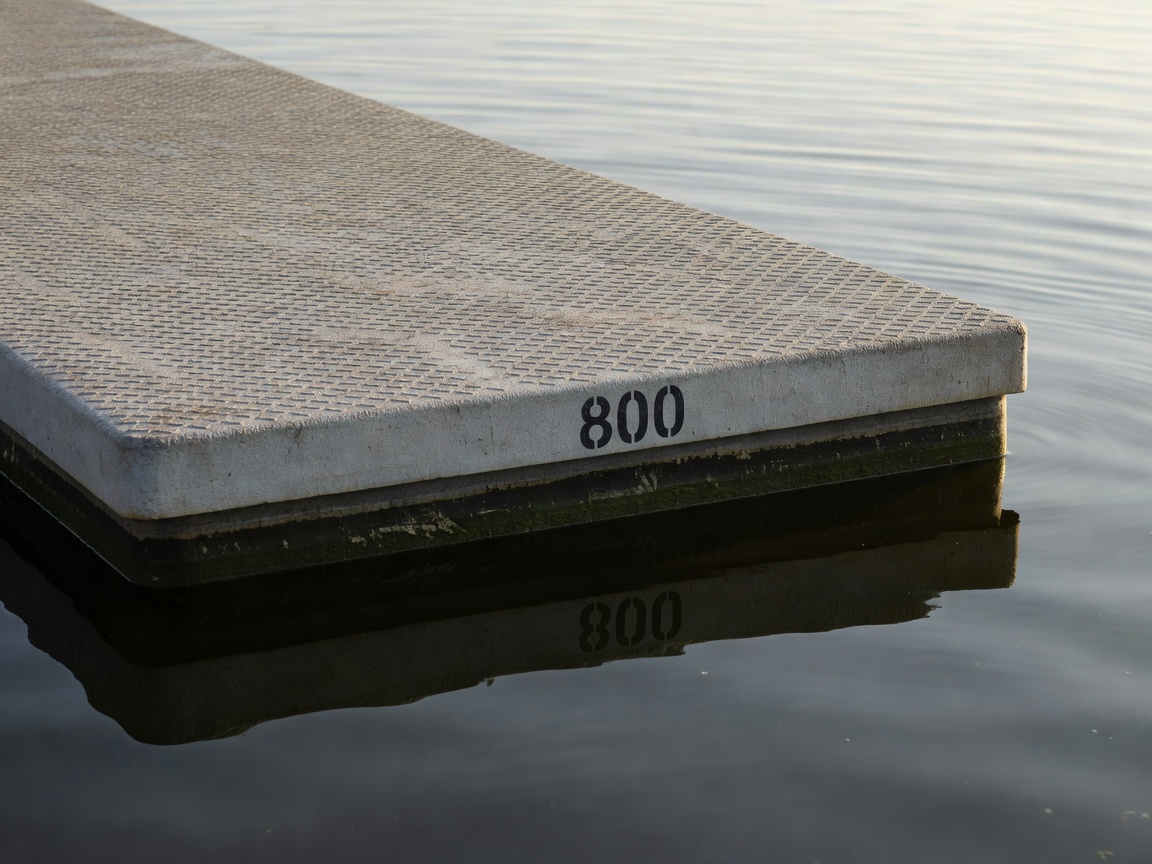
Floating pontoons may combine composite boards, metal frames, timber sections, edge profiles and fasteners. Marine exposure affects each material differently. Surface cleaning removes visible contamination; maintenance review considers condition, drainage, fittings and changes over time.
Waterline contamination often appears along edges, joints and sheltered faces. Deposits can be seasonal or recurring. Record location and change rather than treating every mark as a defect.
Surface condition and slip awareness
Look for persistent organic matter, loose particles, damaged boards, raised edges, worn coatings and areas that remain wet. These observations support site planning but do not guarantee a safe surface. Weather, footwear, lighting and traffic also affect use.
Drainage is part of the surface picture. Blocked outlets, poor falls or trapped debris can prolong moisture exposure. Do not alter drainage, flotation, moorings or structural components without qualified advice and the applicable site procedure.
Fittings and recurring cycles
Visible fasteners, hinges, cleats and edge fittings can be logged during routine work. Look for movement, corrosion, missing parts or changes in alignment. A visual record is useful for prioritisation. It is not a structural or underwater inspection.
Set recurring cycles around exposure and use. A heavily used pontoon may need more frequent surface review than a quiet section. Include a post-weather observation when appropriate and keep records consistent.
Cleaning versus maintenance
Cleaning addresses dirt, deposits and presentation. Maintenance planning addresses condition, compatibility, access and referral. Combining both in one brief can obscure responsibility. Separate the cleaning task from items requiring qualified structural, electrical or specialist attention.
Checklist
- Identify composite, metal, timber and coated sections.
- Record waterline deposits and persistent wet areas.
- Observe drainage without modifying components.
- Note fastener and fitting changes for referral.
- Schedule recurring reviews around use and exposure.
What to monitor
Monitor board movement, damaged edges, coating changes, corrosion indicators, drainage obstruction, repeated contamination and changes after storms. Visual inspection has limits. Submerged, structural, electrical and mooring concerns require appropriately qualified personnel.