Surface category sets the approach
Timber, composite and coated surfaces respond differently to moisture, traffic, weathering and cleaning. The right plan begins with identification. Surface appearance alone does not establish condition or remaining service life.
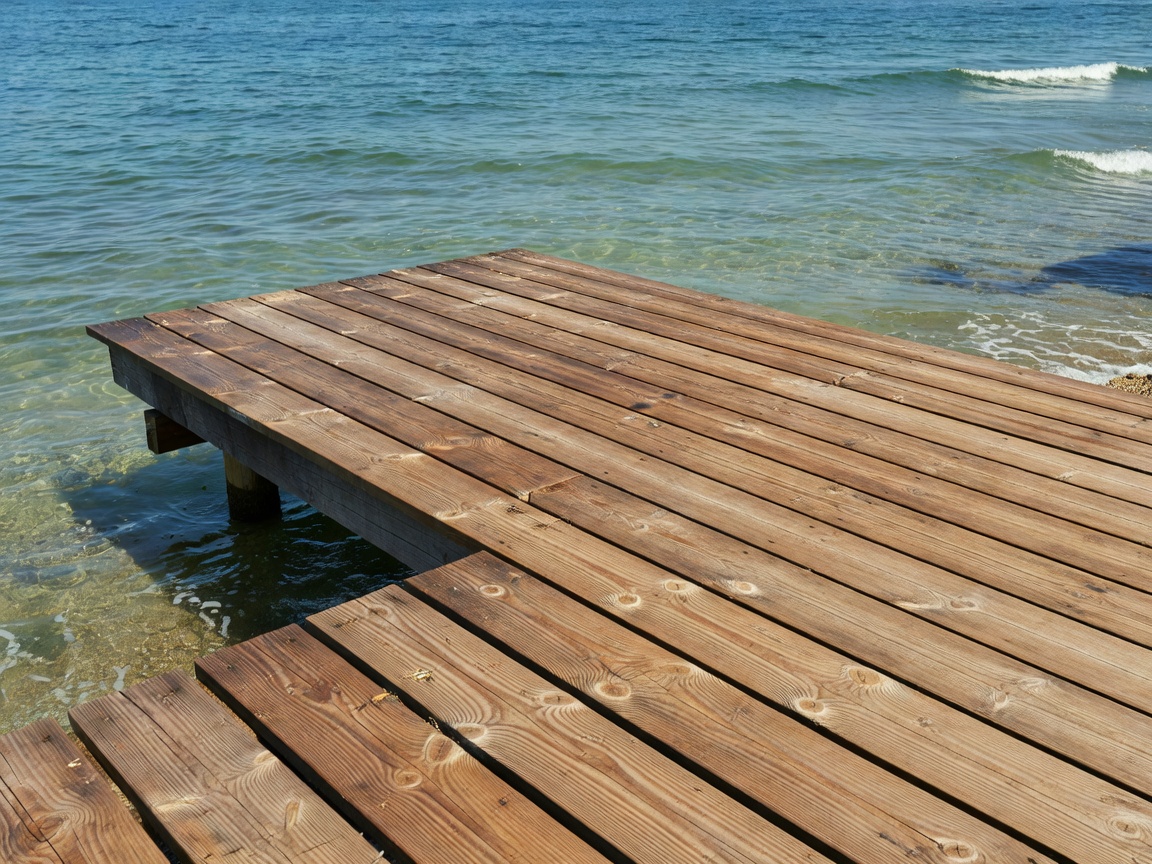
Timber may show colour change, raised grain, staining or moisture-related movement. Composite boards can show embedded dirt, wear or changes at joints. Coated surfaces may show loss of finish, marking or local damage. These are observations, not automatic diagnoses.
Weathering and staining
Weather exposure changes the appearance of every dock surface. Staining can come from organic matter, metal contact, waterline deposits or repeated traffic. Record whether it is isolated, recurring or spreading. A compatible cleaning method should be selected against the actual material and finish.
Do not assume that a stronger method produces a better result. Unverified chemicals, abrasive actions or unsuitable pressure can damage finishes and create additional maintenance. Specialist advice is appropriate where the coating, substrate or contamination is uncertain.
Inspection and replacement indicators
Inspection frequency should reflect use, exposure and observed change. Monitor movement, cracks, splinters, soft areas, damaged edges, loose sections, open joints and persistent moisture. Replacement decisions require site-specific assessment and may involve structural or qualified repair professionals.
Surface care can improve presentation and support observation. It cannot restore a damaged substrate or prove that a deck is structurally adequate.
Comparing surface categories
Timber offers a natural surface character but requires attention to weathering and moisture. Composite surfaces may provide a consistent appearance but still need compatible cleaning and joint observation. Coated surfaces can support a defined finish while requiring care when the coating changes. No category is universally superior.
Planning checklist
- Identify substrate, finish and exposed edges.
- Record staining, moisture and visible deterioration.
- Choose cleaning methods compatible with the surface.
- Separate appearance work from repair decisions.
- Refer movement, softness or structural concerns.
What to monitor
Monitor surface texture, colour change, recurring stains, joint condition, moisture retention and areas where traffic accelerates wear. Keep records consistent so changes can be compared over time.